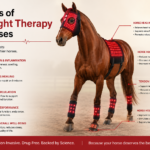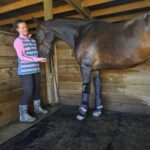
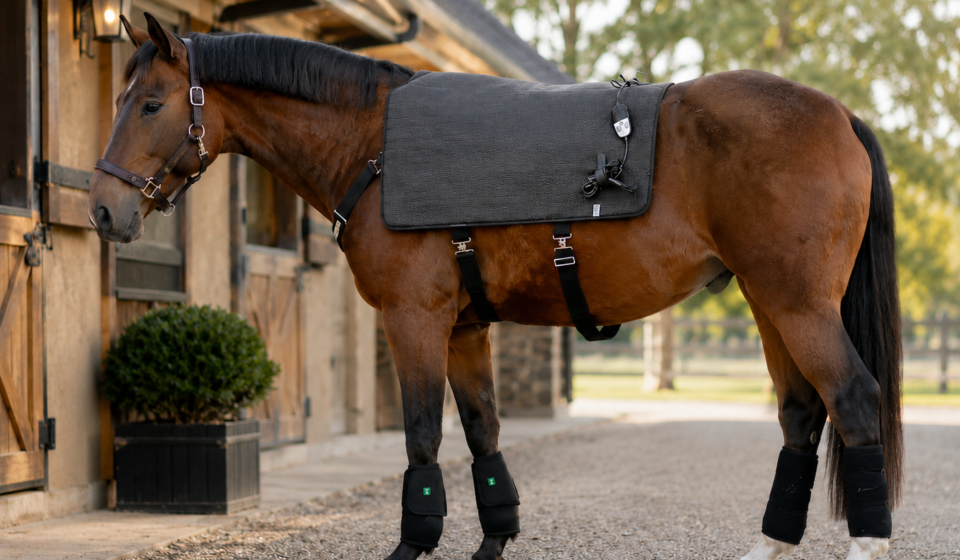

Whether you’re caring for a competition horse, a leisure mount, or one recovering from an injury, recovery is one of the most important parts of training and daily care. Red light therapy (also called photobiomodulation) is increasingly being used by horse owners, veterinarians, and trainers as part of their regular recovery routines – because it helps the body heal itself faster, getting horses back to their best sooner.
1. Recovery Starts at the Cellular Level
The science behind red light therapy is straightforward. Specific wavelengths of red and near‑infrared light penetrate the skin and are absorbed by the mitochondria – the “powerhouses” of cells. This boosts the production of ATP (adenosine triphosphate), the main energy source cells need for repair and regeneration.
In simple terms, red light therapy is like plugging your horse’s cells into a charger – giving tired or injured tissues the energy they need to rebuild themselves.
2. What Red Light Therapy Does During Recovery
2.1 Speeds Up Muscle and Soft Tissue Repair
After intense training or competition, muscle fibres experience micro‑tears. Red light therapy helps by:
- Stimulating collagen production for faster tendon and ligament healing.
- Encouraging capillary growth to improve blood supply to damaged areas.
- Shortening the inflammatory phase, allowing tissues to move into regeneration more quickly.
In practice, regular use of red light therapy has been shown to reduce recovery time for mild tendon injuries by up to 30%.
2.2 Reduces Post‑Exercise Soreness and Stiffness
Horses often feel stiff and sore after hard work. Red light therapy:
- Lowers levels of inflammatory cytokines, reducing swelling.
- Relaxes tense muscles and eases spasms.
- Supports lymphatic drainage, helping clear metabolic waste like lactic acid.
Many trainers notice that when they apply red light immediately after a race or tough session, their horses move more freely the next morning.
2.3 Helps Prevent Chronic Injuries and Overuse Problems
Repetitive strain can lead to tendonitis, arthritis, and other long‑term issues. Regular sessions with red light:
- Keep joint fluid healthy and well‑lubricated.
- Maintain soft tissue elasticity, reducing the risk of strains.
- Address minor discomfort early, before it becomes a serious injury.
Think of it as preventive maintenance – keeping your horse in top shape rather than waiting for problems to appear.
2.4 Promotes Wound Healing and Post‑Surgical Recovery
For surgical incisions, abrasions, or skin ulcers, red light therapy can:
- Activate fibroblasts to speed up new skin growth.
- Lower infection risk by improving local immune responses.
- Minimise scar tissue, keeping skin and underlying soft tissues supple.
3. How to Use Red Light Therapy During Recovery
For the best results, follow a protocol that matches the stage of recovery:
| Recovery Phase | Frequency | Session Time |
|---|---|---|
| Acute (0–7 days) | Daily (once a day) | 10–12 minutes |
| Subacute (1–4 weeks) | 3–5 times per week | 8–10 minutes |
| Remodelling / Maintenance (4+ weeks) | 2–3 times per week | 5–8 minutes |
Tip: Always clean and dry the treatment area before each session. Keep the device about 1–3 cm from the skin (follow your product manual). For large areas, divide into overlapping zones to ensure full coverage.
4. Combining Red Light with Other Recovery Methods
Red light therapy is a safe, complementary tool that works well alongside:
- Cold / heat therapy – cool to reduce swelling, then apply red light to promote healing.
- Massage and stretching – muscles are more relaxed after light therapy, making stretching more effective.
- Nutritional support – quality protein and antioxidants help from the inside out.
- Veterinary care – red light can support medical treatments, but never replace a vet’s diagnosis.
5. Real Benefits for Owners and Trainers
- Convenient: Portable devices let you treat your horse right at the stable or trackside.
- Drug‑free: No side effects, and safe for competition horses under most regulations.
- Cost‑effective: One device can be used repeatedly – saving on frequent clinic visits.
- Better welfare: Faster recovery means a happier horse, a longer athletic career, and improved quality of life.
6. Final Thoughts
Red light therapy isn’t a miracle cure, but it is a reliable, science‑backed, and practical tool for modern equine care. When you make it part of your regular recovery plan, you’ll likely see more consistent performance, quicker healing from injuries, and an overall healthier horse.
If you’re an ODM/OEM partner, we can tailor red light recovery devices to your specific market – whether you want to focus on competition recovery, senior horse care, or general wellness. We’re here to help you build a product that truly meets your customers’ needs.